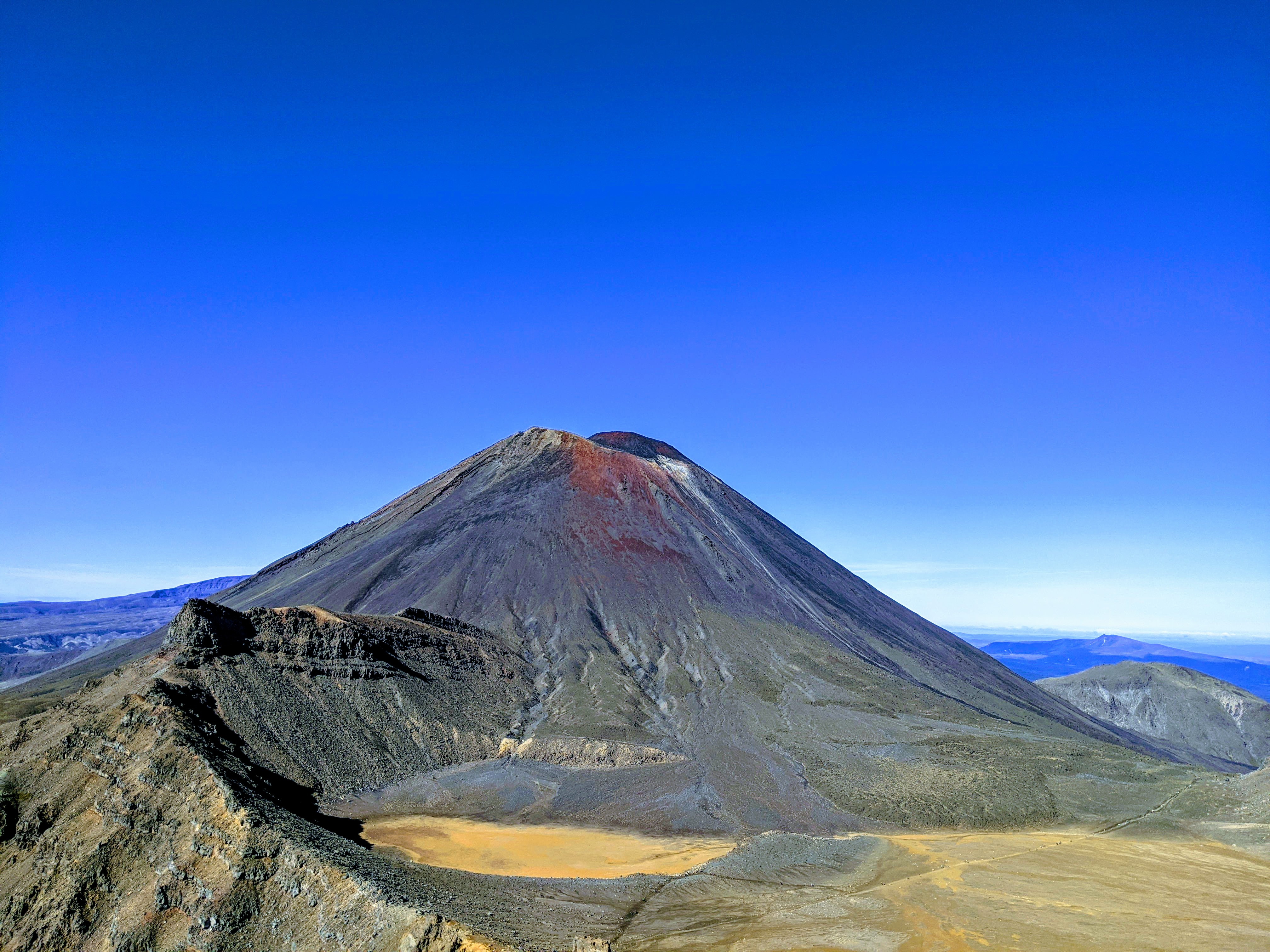
Our First Great Walk: the Heaphy Track
Finally, part 1. Part 2: Pohatu Penguins. Part 3: Arthur’s Pass and the TranzAlpine. Part 3b: BreakFree on Cashel.
All the pictures: gallery
Introduction
As soon as the Great Walks bookings opened after lockdown, we thought we would sign up for at least one, to see what they were like. At this point I can’t remember why, but we chose the Heaphy Track as our first Great Walk. This is the longest great walk at 82km, and we would be doing it in the middle of the “winter”, sharing the track with mountain bikes.
The TranzAlpine and a day at Arthur's Pass
Here’s the third part of this South Island trip. Part 1: Heaphy Track. Part 2: penguins, Mount Sunday, and Christchurch. Part 3b: BreakFree on Cashel.
On my list of “things to check for re-opening” was New Zealand railway trips. So when I saw that the TranzAlpine was re-opening for $75 winter fares, I talked MP into a trip from Christchurch. Like the Heaphy, this trip leaves you far away from where you started, and on the wrong side of the Southern Alps. The train is logistically easier because at least you’re in a town, Greymouth. But that town is still remote enough that one can buy a starter home for $95k. The solution here is easier than for the Heaphy though: you just take the train back.
Pohatu Penguins at Akaroa, Mount Sunday, and Christchurch
Our South Island trip had three distinct components, so it makes sense to post about them separately. This is part 2. Part 1: Heaphy Track. Part 3: Arthur’s Pass and the TranzAlpine. Part 3b: BreakFree on Cashel.
Full galleries at https://gallery.patricklam.ca/index.php?/category/1227.
July 10: French-themed day in Canterbury
After a big day on July 9th, finishing the Heaphy Track and getting to the suburbs of Christchurch, we were scheduled to go see penguins in Akaroa with Pohatu Penguins. MP signed us up for their maximal experience, including getting driven up to the crater rim and enjoying the scenery of Akaroa Harbour, followed by walking down the last bit of the first day of the Banks Track, an evening penguin tour, and sea kayaking the next morning. Well, the maximal experience didn’t include food, but that was good for us. It’s nice to self-cater on trips.
BreakFree on Cashel (Christchurch): A Review
tl;dr
Exceeded expectations. Great value-for-money.
Related Work
See also Yotel: A Review, a stay in AMS Schiphol Yotel back in 2016 after a conference.
Staying near the bus stop
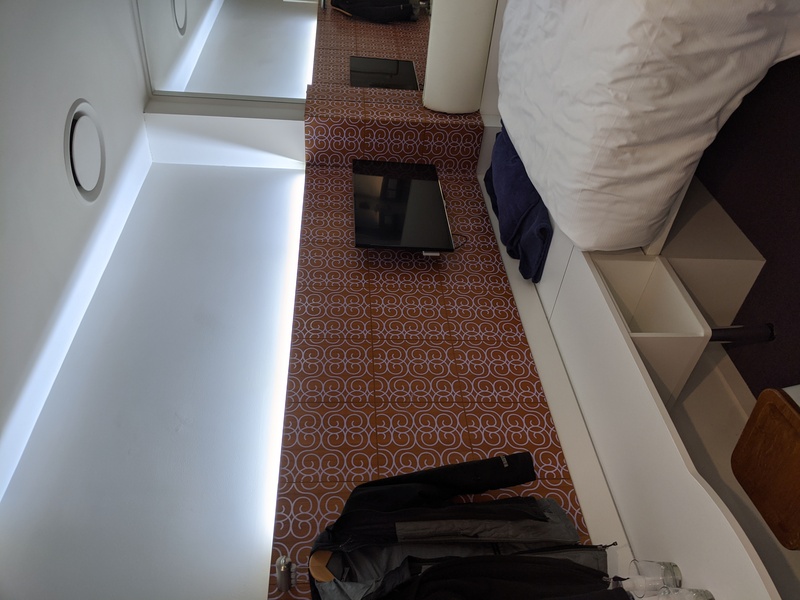
For our night between getting off the TranzAlpine round trip and taking the 7am-bus-then-ferry back to Wellington, we wanted a place close to the bus stop. The BreakFree was as close as you could get (3 minute walk), and also cheap, at C$63 (NZ$70) for an “Inner Urban Double”. More expensive than the Mount Somers Holiday Park at NZ$55, but way more posh, in a more central location, and in particular, with better mattresses. (A review on the Internet also mentioned the mattresses). Apparently cheaper than Yotelair Schiphol, but who can compare prices in these pandemic times anyway.
Beyond Diet: on red pandas and doing better
This week I was busy writing code for a research project I’m working on here in New Zealand, so no travel pictures from me.
Here is a red panda in the Wellington Zoo (photo credit: Marie-Pascale Desjardins, as well as for suggesting this tip).

It turns out that red pandas and giant pandas are not related aside from both being cute animals. Giant pandas have a 99% bamboo diet, while red pandas are at 85% bamboo.
You also have to descend
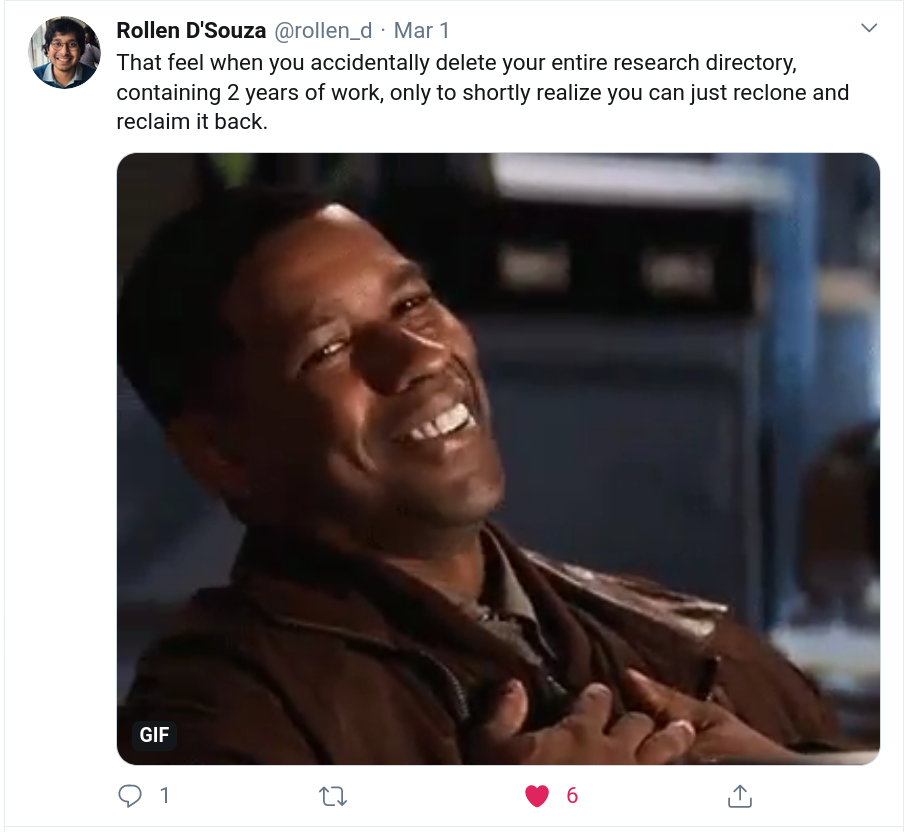
Following up on last week’s tip, here’s a near-data-disaster from Rollen D’Souza:
I decided when I started grad school that I would always keep track of my research and general course notes in repositories. This wasn’t entirely just for backup purposes. It turns out that when you want to work on three different machines — work desktop, home desktop, surface laptop — making sure they are all synchronized with your latest work is non-trivial without some automated or manual tracking software. I use Mercurial (distributed vcs) because then there is an entirely cloneable copy of all my work on every machine I work on. (Why Mercurial versus git? Another story.) I’ve gotten into the habit of pulling, committing and pushing whatever I have whenever I work on a given machine.